The Evolution of Fortnite: Fortnite – Still Dominating With Its Massive Live Events And “Reload” Mode.
Fortnite has undergone a remarkable evolution since its initial release in July 2017, transforming from a modest cooperative survival game into a global phenomenon. The continuous updates and the introduction of various game modes have kept players engaged, solidifying its status in the gaming industry.
The timeline of Fortnite’s development features several major updates, which have introduced new mechanics and gameplay elements. Initially launched as “Save the World,” Fortnite transitioned to its battle royale mode in September 2017, which skyrocketed its popularity. Subsequent updates included the introduction of Creative mode in 2018, allowing players to build and customize their own maps, and the seasonal chapter format that introduced new narrative arcs and gameplay changes.
New Game Modes and Player Engagement
The continuous introduction of new game modes has played a pivotal role in enhancing player engagement. Players can participate in various formats, such as:
- Battle Royale: The classic mode that launched Fortnite into the mainstream, pitting players against each other until only one remains.
- Creative Mode: Enables players to create their own games and share them with others, fostering community interaction.
- Save the World: The original cooperative mode where players battle against AI enemies while completing missions.
These varying modes have helped maintain a diverse player base, attracting both casual gamers and competitive players.
Significance of Live Events, Fortnite – Still dominating with its massive live events and “Reload” mode.
Live events in Fortnite are monumental, often serving as cultural touchstones for the gaming community. These events, ranging from in-game concerts to narrative-driven experiences, not only entertain but also strengthen the community’s bond. For instance, the Travis Scott concert in April 2020 drew millions of players, showcasing the game’s ability to blend entertainment and gaming.
Massive Live Events in Fortnite
Fortnite is renowned for its massive live events that have captivated millions worldwide. Each event is uniquely themed, often reflecting broader cultural phenomena or collaborative efforts with popular franchises.
Key Live Events and Their Themes
The key live events in Fortnite include:
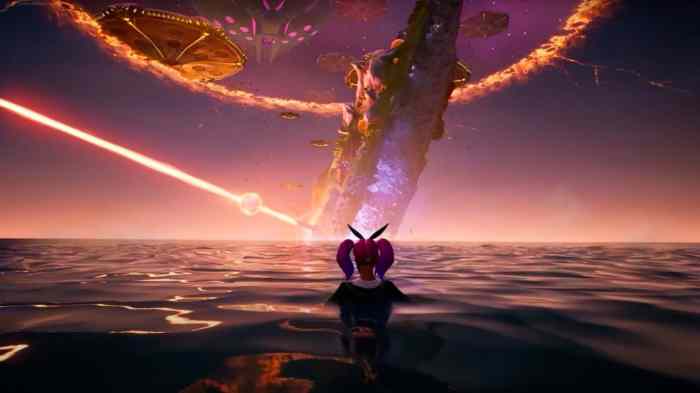
- The End (2019): Marking the conclusion of Chapter 1, this event showcased a black hole that consumed the game, leading to Chapter 2’s launch.
- Travis Scott’s Astronomical (2020): This landmark virtual concert featured stunning visuals and an immersive experience, attracting over 12 million concurrent players.
- The Device (2020): A narrative-driven event where players witnessed the activation of a device that changed the game’s landscape, intertwining storytelling with gameplay.
Player Participation and Community Response
Player participation in these events is remarkable, often leading to server overloads due to the sheer number of participants. Community response is overwhelmingly positive, with players eagerly anticipating each event and discussing them extensively on social media platforms. This interaction fosters a sense of belonging and excitement within the Fortnite community.
Technological Advancements for Live Events
The technological advancements utilized during live events are noteworthy. Epic Games has employed:
- Real-time rendering: To create dynamic environments that respond to player actions.
- Interactive elements: Allowing players to influence the event’s outcome, enhancing immersion.
- High-fidelity graphics: Providing stunning visuals that captivate players during events.
These innovations significantly enhance the overall experience and encourage player participation.
The “Reload” Mode
The “Reload” mode in Fortnite introduces a fresh twist to the gameplay, setting it apart from traditional battle royale formats. It offers a unique blend of mechanics that appeal to both new and veteran players.
Mechanics of the “Reload” Mode
In “Reload,” players face off in a fast-paced environment where resource management and strategic thinking are paramount. Key mechanics include:
- Limited ammunition: Players must carefully manage their ammo supply, encouraging tactical gameplay.
- Weapon upgrades: Players can find and unlock upgrades mid-match, adding an extra layer of strategy.
- Shorter matches: Designed for quick play sessions, appealing to players looking for fast-paced action.
Player Feedback on “Reload”
Player feedback on “Reload” has been generally positive, with many appreciating the mode’s distinct gameplay and emphasis on strategy. The fresh mechanics attract new gamers, as the fast-paced nature allows newcomers to engage without the lengthy commitment typically associated with standard rounds.
Strategies for Success in “Reload” Mode
To excel in “Reload” mode, players can adopt several strategies:
- Resource management: Prioritize finding and conserving ammo to maintain a competitive edge.
- Positioning: Use the environment to your advantage, providing cover while planning attacks.
- Quick decision-making: Adapt strategies on the fly based on available resources and player actions.
These strategies enhance gameplay experience and contribute to player success in this exciting mode.
Community and Cultural Impact
Fortnite has significantly influenced gaming culture and social interactions, integrating itself into the fabric of modern entertainment.
Influence on Gaming Culture
Fortnite’s impact on gaming culture is profound, setting trends and reshaping how games are perceived. It has popularized elements such as:
- Cosmetic customization: Players express themselves through skins and emotes, creating a culture of personalization.
- Crossover events: Collaborations with franchises like Marvel and Star Wars broaden its appeal and engage diverse audiences.
- Social gaming: Emphasizing teamwork and community, Fortnite has made online gaming a socially rich experience.
Role of Content Creators
Content creators have played a vital role in promoting Fortnite and engaging with the community. Streamers and YouTubers create content that showcases gameplay, providing tips and entertaining narratives. This interaction drives player engagement and sustains the game’s popularity.
Collaborations with Popular Franchises
Collaborations with popular franchises have significantly boosted Fortnite’s popularity. These partnerships create unique in-game content, drawing fans from various fandoms. Examples include:
- Marvel: Introduced iconic characters and storylines, captivating superhero enthusiasts.
- Star Wars: Brought lightsabers and themed events, appealing to a vast fan base.
These collaborations ensure Fortnite remains relevant and exciting in an ever-evolving gaming landscape.
Future Prospects for Fortnite
The future of Fortnite looks promising, with numerous potential features and modes anticipated by the gaming community.
Potential New Features and Modes
As the gaming landscape evolves, Fortnite is likely to introduce innovative features, such as:
- Enhanced AI integration: To create more dynamic gameplay experiences.
- Expanded creative tools: Allowing players to design more intricate maps and game modes.
- New narrative arcs: Continuing to engage players with compelling storylines and character development.
Trends in the Gaming Industry
Current trends in the gaming industry, such as the rise of mobile gaming and cross-platform play, may influence Fortnite’s development. Adapting to these trends will be crucial for maintaining player engagement and expanding its audience.
Competition with Other Battle Royale Games
Despite fierce competition from other battle royale games, Fortnite’s established brand and innovative approach to gameplay provide it with unique strategies to maintain dominance. By continuously evolving and responding to player feedback, Fortnite is well-positioned to remain a leader in the battle royale genre.